Help your organization successfully express its purpose.
Most organizations have work happening, tools in place, and people active—but purpose isn't coherently expressed through action. We remove the friction and distortion holding you back.
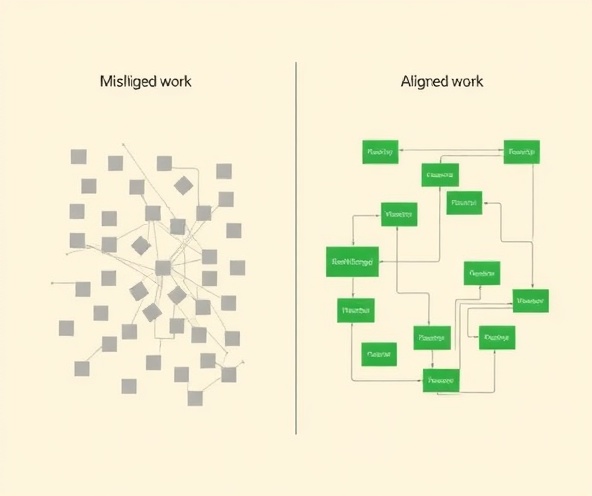
Most organizations have work happening, tools in place, and people active—but purpose isn't coherently expressed through action. We remove the friction and distortion holding you back.
Effort gets scattered across work that doesn't connect to what matters. People repeat work, pull in different directions, and burn energy on misaligned efforts.
Teams don't know which work actually supports your purpose and goals. Expectations, responsibilities, and meaning become invisible—creating ownership gaps.
People work hard without clarity about how it matters. The disconnect between activity and purpose creates frustration, disengagement, and unsustainable pace.
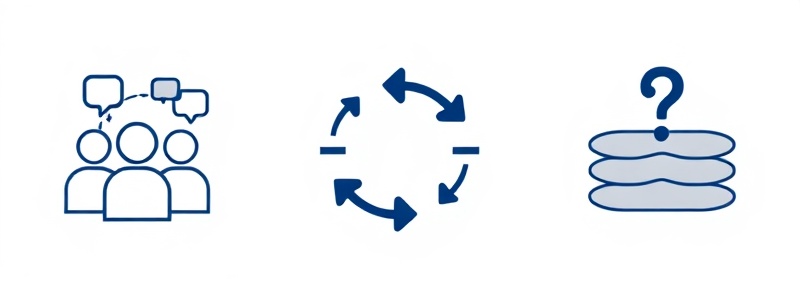
We clarify your purpose, goals, activities, tools, and people—the core elements of your organization. When these are explicit, you can see what's working and what isn't.
The connections between your organizational elements matter most. We identify where relationships are strong, where they're failing, and where expectations are misaligned.
We show you what's actually happening over time—not just what's planned. This reveals where things are stuck, where ownership is failing, and where motion diverges from intent.
Hidden relational forces influence how your organization actually behaves. We surface these forces so you can account for them in your decisions and actions.
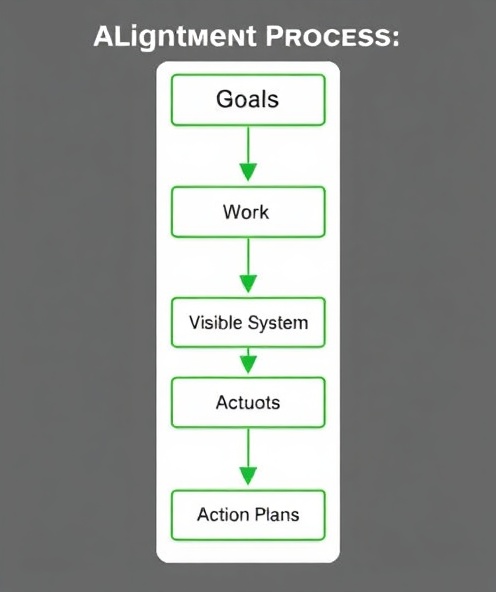
Alignment isn't a one-time project—it's an ongoing practice. We guide your organization through a continuous cycle of analysis, recommendation, implementation, support, and education.
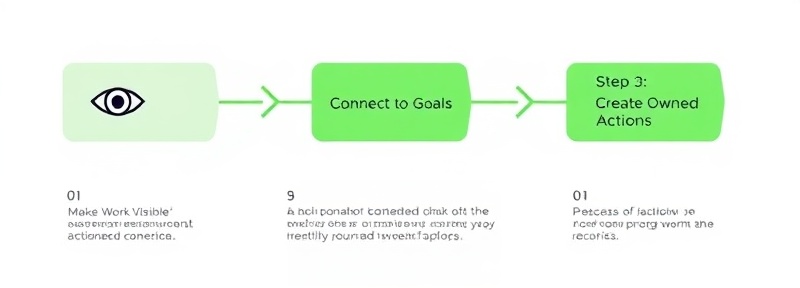
Map your organizational reality—purpose, goals, work, tools, people, and the relationships between them.
Identify misalignments and relationship failures. Recommend clear, priority-aligned actions that account for hidden forces.
Execute recommended changes while accounting for relational forces that may resist or distort implementation.
Monitor system state continuously. Keep your organization moving through the cycle without stopping operations.
Build organizational capability so alignment becomes part of how you operate and decide.
Sustainable Engines comes from years of hands-on IT and systems work—managing infrastructure, dealing with complexity, and seeing what happens when things are well-connected versus when they're not.
The same principles that apply to IT systems apply to organizations. When dependencies are clear, visibility is high, responsibilities are owned, and relational forces are accounted for, things work smoothly. When they're not, everything breaks down.
That insight led to The Better World Machine (TBWM)—a formalized system for achieving and maintaining organizational alignment. It's built on a clear model of organizational objects (purpose, goals, work, tools, people), the relationships between them (which we call Bindings), and the hidden forces that influence how those relationships behave over time.
We bring this systems-thinking perspective to help organizations express their purpose coherently through action—removing friction, making motion visible, and enabling people to act with confidence.
Because when organizational alignment is clear and maintained continuously, everyone knows what to do—and can act on it effectively.
Let's take a look at what's happening in your organization and what's getting in the way. Together, we'll see what's connected, what isn't, and define the next best step forward.
Thank you!
We've received your message and will be in touch soon to discuss your alignment needs.
Something went wrong
Please try again or contact us directly at hello@sustainableengines.com
We typically respond within 24 hours during business days.